Best Backpacking & Car Camping Sleeping Pads of 2026: ASTM R-Value Guide
Your sleeping bag does not keep your back warm—your sleeping pad does. Here is how ASTM F3340 R-values translate to real ground temperatures, plus our top field-tested pads.
By Eric Lindstrom (Senior Editorial Director & Wilderness Guide) · 8 min read
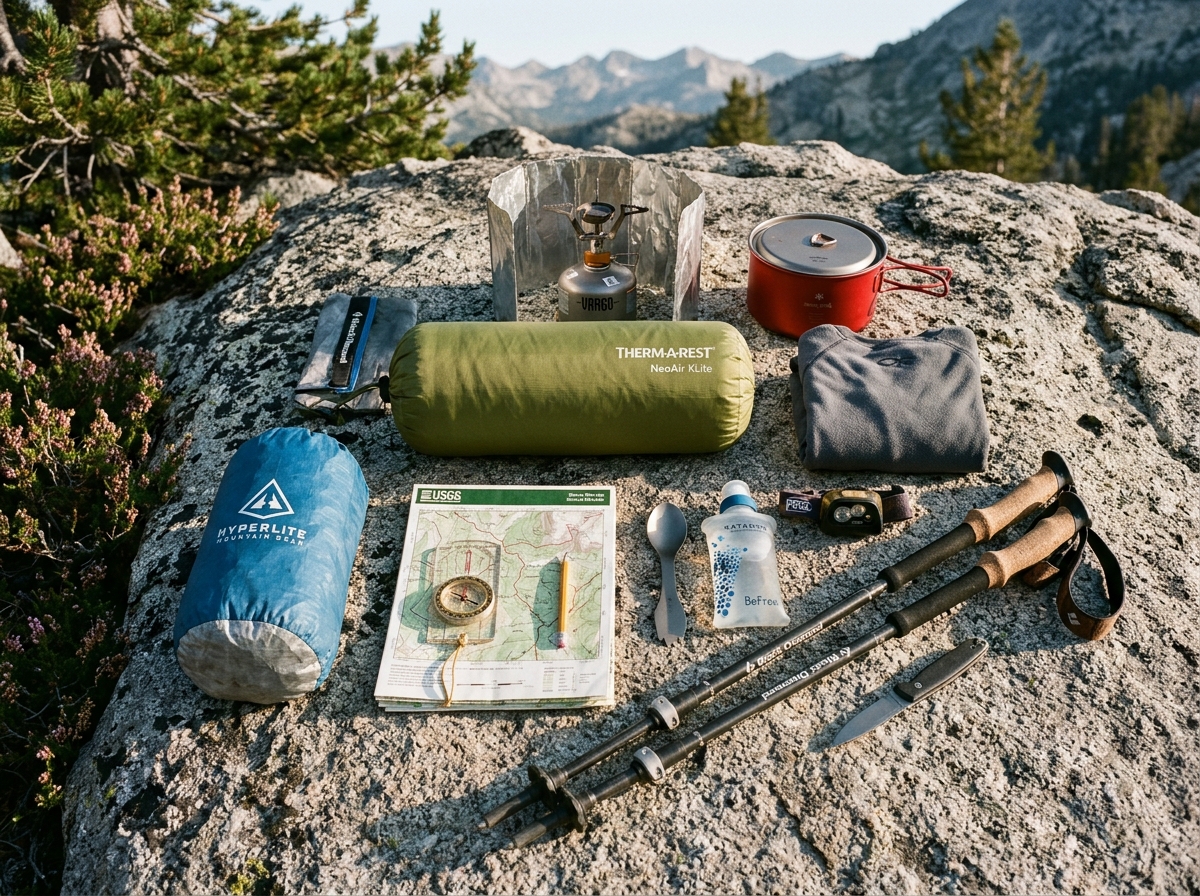
1. ASTM F3340-18 R-Values Decoded
Cold earth conducts heat out of your body up to 25 times faster than still air. Even inside an expedition-rated 0°F down sleeping bag, your compressed underside provides minimal protection against frozen ground.
Since 2020, leading outdoor brands use the standardized ASTM F3340-18 laboratory test to measure thermal resistance (R-Value). Use these real-world benchmarks when matching a pad to your forecast:
• R 1.0 – 2.2: Warm summer nights (above 50°F / 10°C).
• R 2.5 – 4.2: True 3-season backpacking (down to roughly 25°F / -4°C).
• R 4.5 – 5.8: Shoulder-season frost, spring snowfields, and cold sleepers down to 10°F.
• R 6.0 – 7.5+: Four-season mountaineering, frozen ground, and sub-zero snow camping.
2. Ultralight Air Pads vs. Self-Inflating Foam Mattresses
Backpackers who carry shelter on their hips prioritize pack volume above everything. Reflective-baffle air pads like the Therm-a-Rest NeoAir XTherm NXT pack down smaller than a 1-liter water bottle yet achieve an astonishing R-7.3 rating at just 15.5 ounces.
When weight constraints vanish at the trailhead parking lot, self-inflating open-cell foam pads like the NEMO Roamer eliminate crinkle noise and rubbery air bounce, delivering four inches of stretch-fabric mattress luxury.
- Therm-a-Rest NeoAir XTherm NXT Insulated Sleeping Pad (Best Cold Weather — 15.5 oz / 439 g (Regular), $239 – $259): Winter alpine expeditions, sub-zero snow camping, and cold hammock under-insulation.
- NEMO Equipment Roamer Self-Inflating Mattress (Best Overall — 3 lbs 15 oz (1.8 kg), $249 – $279): Dispersed car camping, overlanding, truck bed sleep setups, and guest beds.
3. Top Field-Tested Sleeping Pads for 2026
Our top cold-weather backpacking pick remains the Therm-a-Rest NeoAir XTherm NXT for its unmatched warmth-to-weight efficiency and quieter updated baffles. For car camping, overland truck beds, and family basecamps, the NEMO Roamer (R-6.0) outperforms every air mattress we have ever slept on.
- Therm-a-Rest NeoAir XTherm NXT Insulated Sleeping Pad (Best Cold Weather — 15.5 oz / 439 g (Regular), $239 – $259): Winter alpine expeditions, sub-zero snow camping, and cold hammock under-insulation.
- NEMO Equipment Roamer Self-Inflating Mattress (Best Overall — 3 lbs 15 oz (1.8 kg), $249 – $279): Dispersed car camping, overlanding, truck bed sleep setups, and guest beds.
Frequently Asked Questions
- What R-value do I need for 3-season backpacking?
- Look for an ASTM R-value between 3.5 and 4.5 for dependable 3-season backpacking from spring through crisp autumn nights around freezing.
- Why did my inflatable sleeping pad feel cold even with a good sleeping bag?
- Uninsulated air pads allow cold ambient air to circulate via convection inside the chambers, draining body heat straight into the ground regardless of how thick your top quilt is.
- Should you store an inflatable sleeping pad rolled tight or unrolled?
- Ultralight air pads can be stored folded with the valve open in a dry closet, while open-cell foam self-inflating pads like the NEMO Roamer should be stored unrolled and inflated so the interior foam retains long-term rebound memory.